EAP Research

Cross-Cutting Research Connected to the EAP Program
As a graduate certificate program, Energy Analysis and Policy (EAP) brings together faculty, students, and staff from across the university. Often, EAP facilitates personal and intellectual connections that advance big-picture, interdisciplinary research. Read on to learn about a few of the larger research efforts through EAP, and how you can get involved.

Satellite Data for Energy Analysis and Policy
Prof. Edwards, Prof. Pierce, Prof. Holloway
From biofuels to solar potential, blackouts to emissions, EAP faculty and students are applying space-based data to global energy issues.
Policies for Technology Change
Prof. Nemet, Prof. Edwards
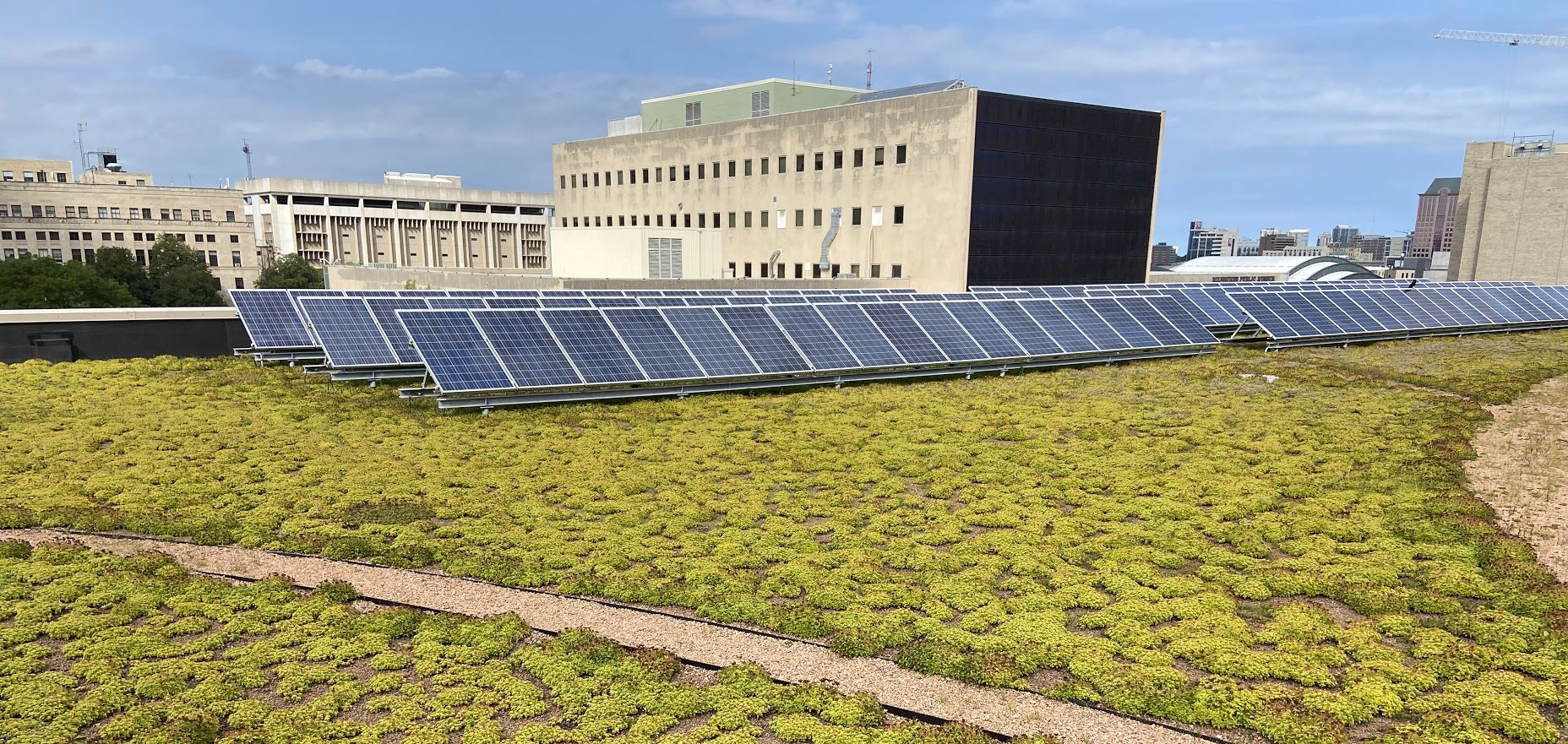
As clean energy technologies evolve, policies and regulations play a significant role in determining costs and addressing climate change.

Health Benefits of Clean Energy
Prof. Patz, Prof. Holloway
Moving away from fossil fuel combustion benefits the climate as well as public health, as clean air is directly linked with longer lifetimes and reduced disease.

Energy Analysis for Business Applications
Prof. Holloway, Prof. Edwards, Prof. Hicks
Working with partners in energy evaluation, carbon emissions, and interdisciplinary diagnostics through a new fee-for-service program.
New Opportunities for Nuclear Energy
Prof. Lindley, Prof. Wilson
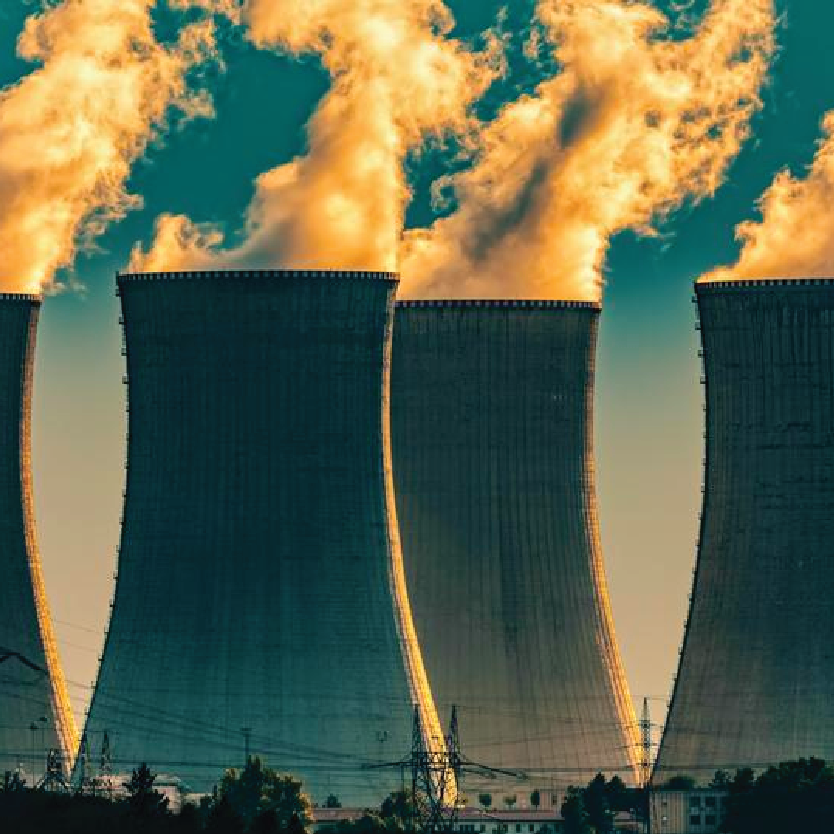
New designs and operation of nuclear reactors, and integration with other energy systems, can contribute to climate change mitigation and energy security.